
Variance compounds quickly
Small discrepancies at receiving become big issues downstream. Capture exceptions early so teams don’t fight surprises in production.
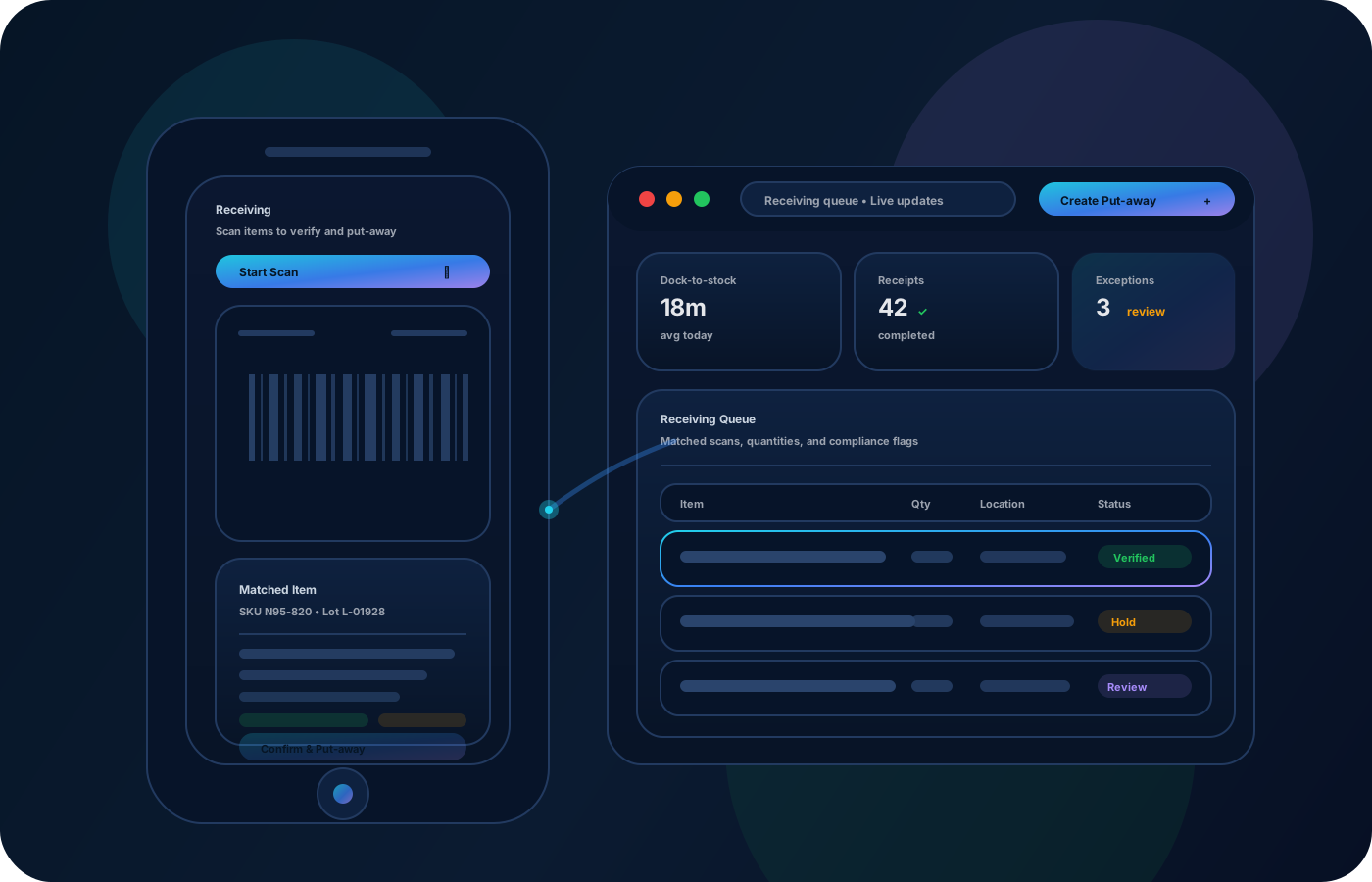
Gardez les matières exactes de la réception au stockage puis à la production avec des transferts clairs et des comptages répétables. Documentez ajustements et rapprochements pour réduire les écarts et éviter les surprises.
Keep production flowing with accurate, traceable raw materials: standardize receiving, storage, transfers to production, and reconciliation so variance doesn’t compound.


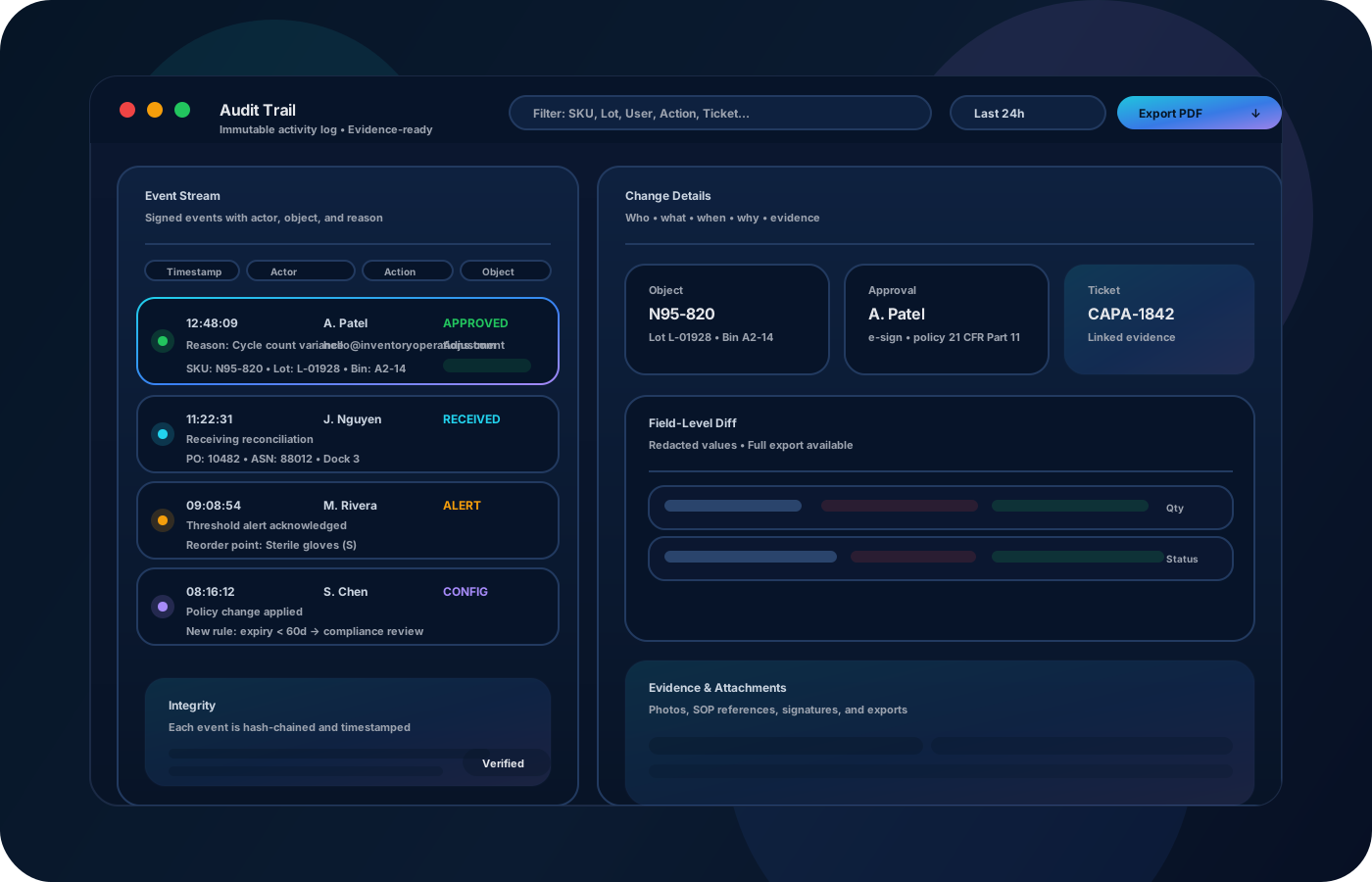
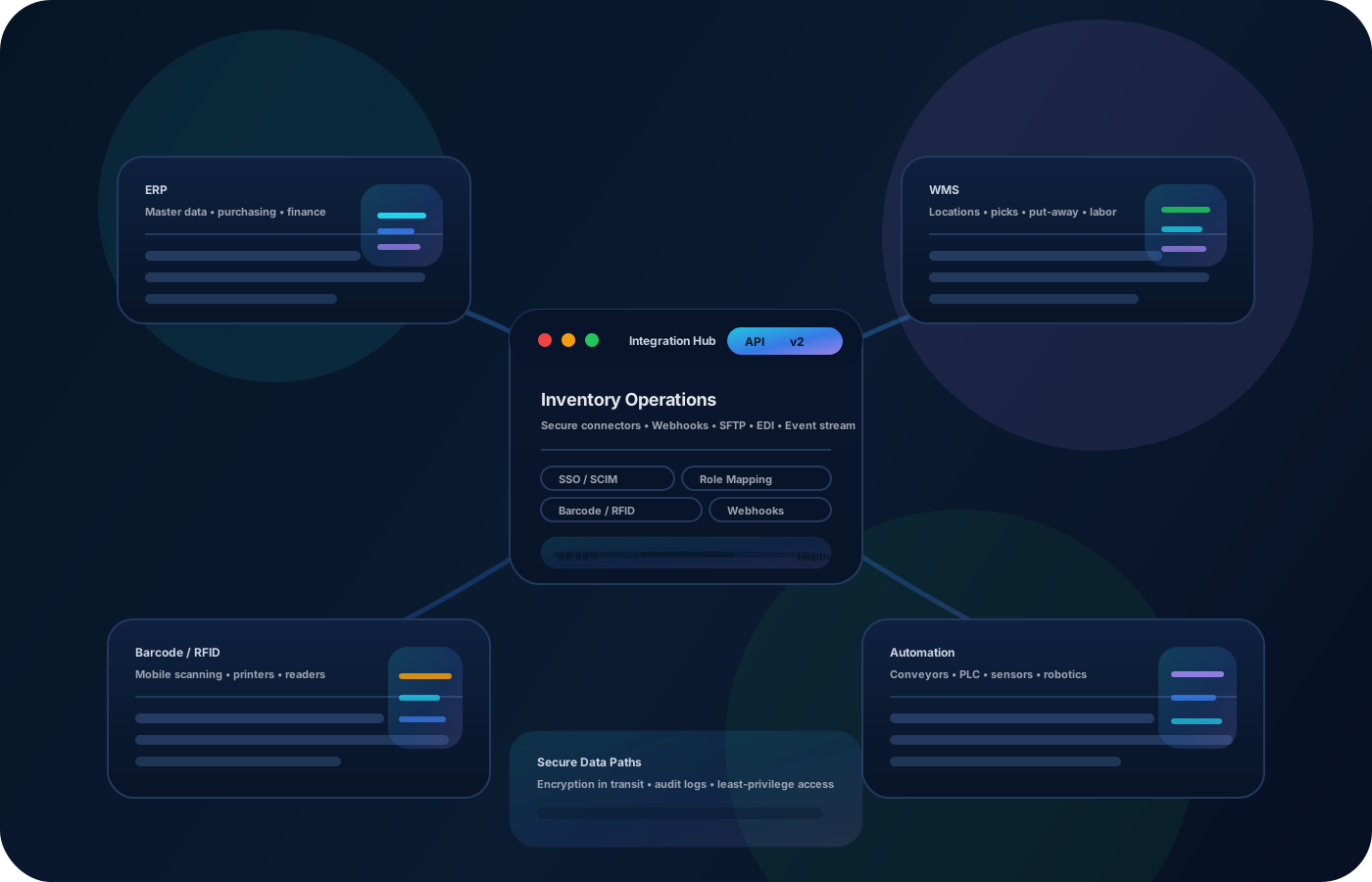
Les matières premières passent par réception, stockage et production, et de petits écarts s’amplifient vite. Les opérations d’inventaire rendent les passations traçables, documentent les ajustements et standardisent les comptages—moins de surprises et d’arrêts de ligne.
La plupart commencent ici. IO réduit la dérive, améliore la précision et maintient une piste fiable.
Small discrepancies at receiving become big issues downstream. Capture exceptions early so teams don’t fight surprises in production.
Material moves through storage, staging, and line-side. Record each handoff so availability stays accurate and shortages are explainable.
When adjustments lack context, investigations drag on. Use reasons and consistent counting to shorten reconciliation cycles.
IO relie emplacements, historique des mouvements et contrôles—pour aller plus vite sans perdre la traçabilité.
• Materials by receiving, storage, staging, and line-side locations • Transfers between warehouses and production areas • Exceptions (damage, scrap, loss) with documented reasons • Cycle counts and reconciliation outcomes • Exports for planning, purchasing, and reviews
Record what arrived, where it went, and any exceptions so downstream records are trustworthy.
Move material with clear destinations (staging, line-side) to keep counts aligned.
Cycle count high-velocity areas to prevent variance from compounding.
Document adjustments and export variance trends to tune process and reduce repeat issues.
Décrivez votre processus actuel. Nous recommanderons la bonne configuration et le déploiement.
Require reasons and approvals for write-offs and sensitive adjustments. Preserve movement history so teams can explain shortages, scrap, and corrections during reviews.
Export material snapshots and movement summaries for planning, purchasing, and reporting. Integrate with ERP workflows to keep production and finance aligned.
Yes—model these as locations so transfers remain traceable end-to-end.
Record exceptions with reasons and approvals so the history stays defensible.
No—cycle counts keep accuracy high without disruptive full shutdown counts.
Yes—consistent movement history and reason codes shorten investigations.
Start with receiving + key storage locations, then add transfers to production and cycle counts.