
Stockouts that stop work
Consumables disappear quietly until a drawer is empty at the worst moment. Visibility and simple reorder signals keep teams ahead of shortages.
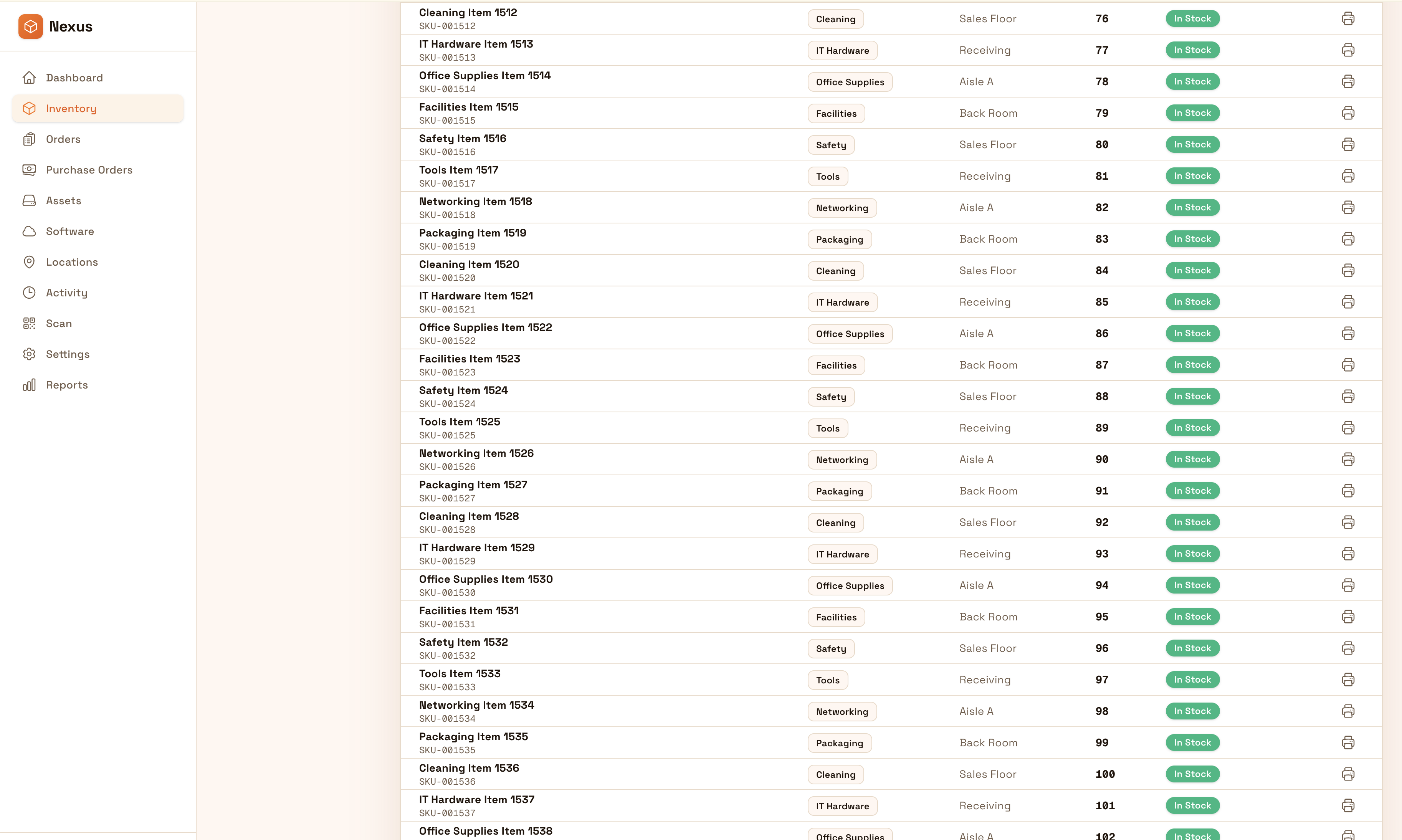
Évitez les ruptures avec une consommation claire, de la visibilité sur le réapprovisionnement et des transferts cohérents entre emplacements. Réduisez les pertes avec responsabilité et répondez facilement à quoi, où et quand.
Keep supplies available without overbuying: make usage visible, standardize replenishment, and keep transfers traceable across cabinets, rooms, and sites.


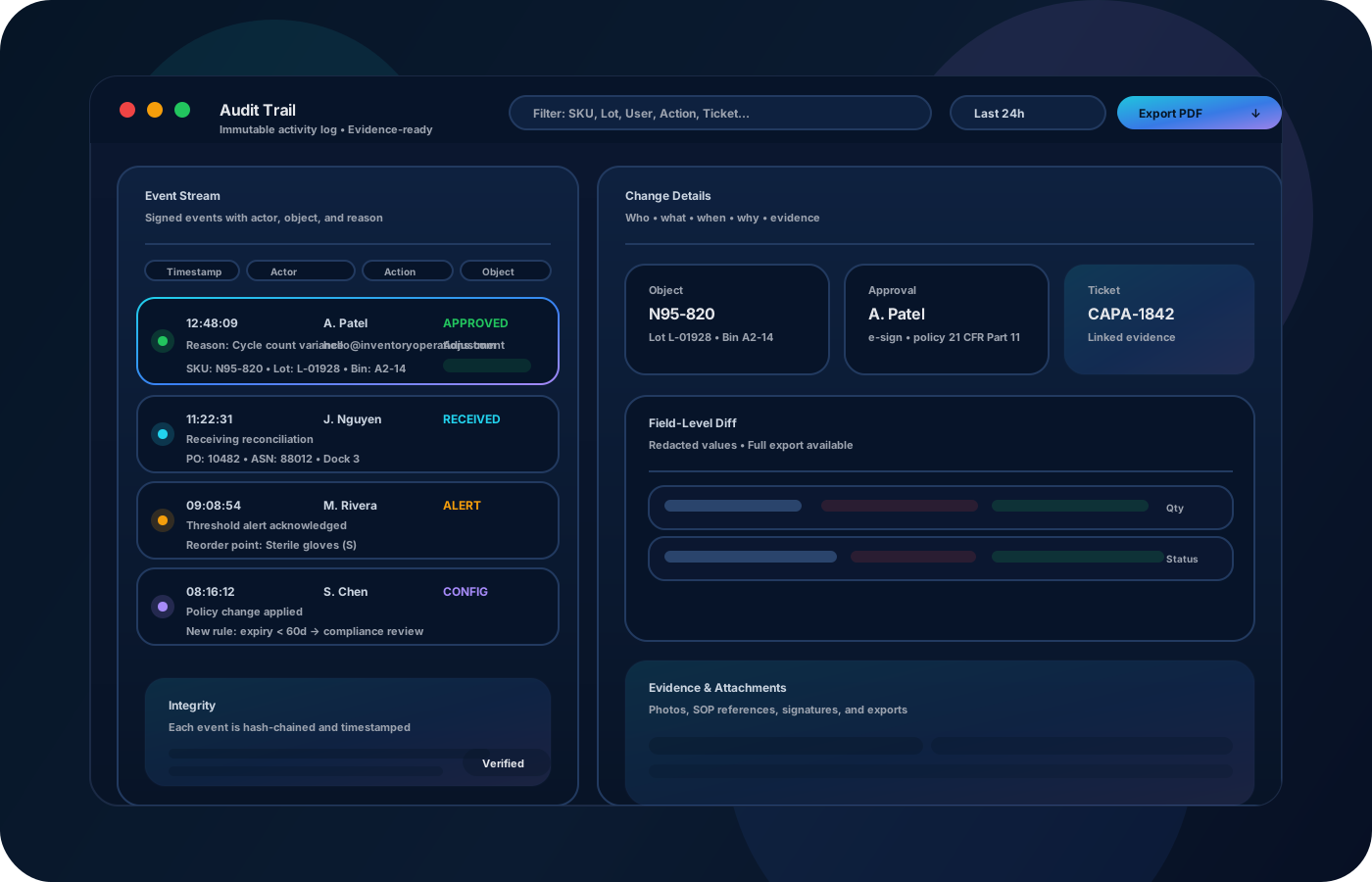
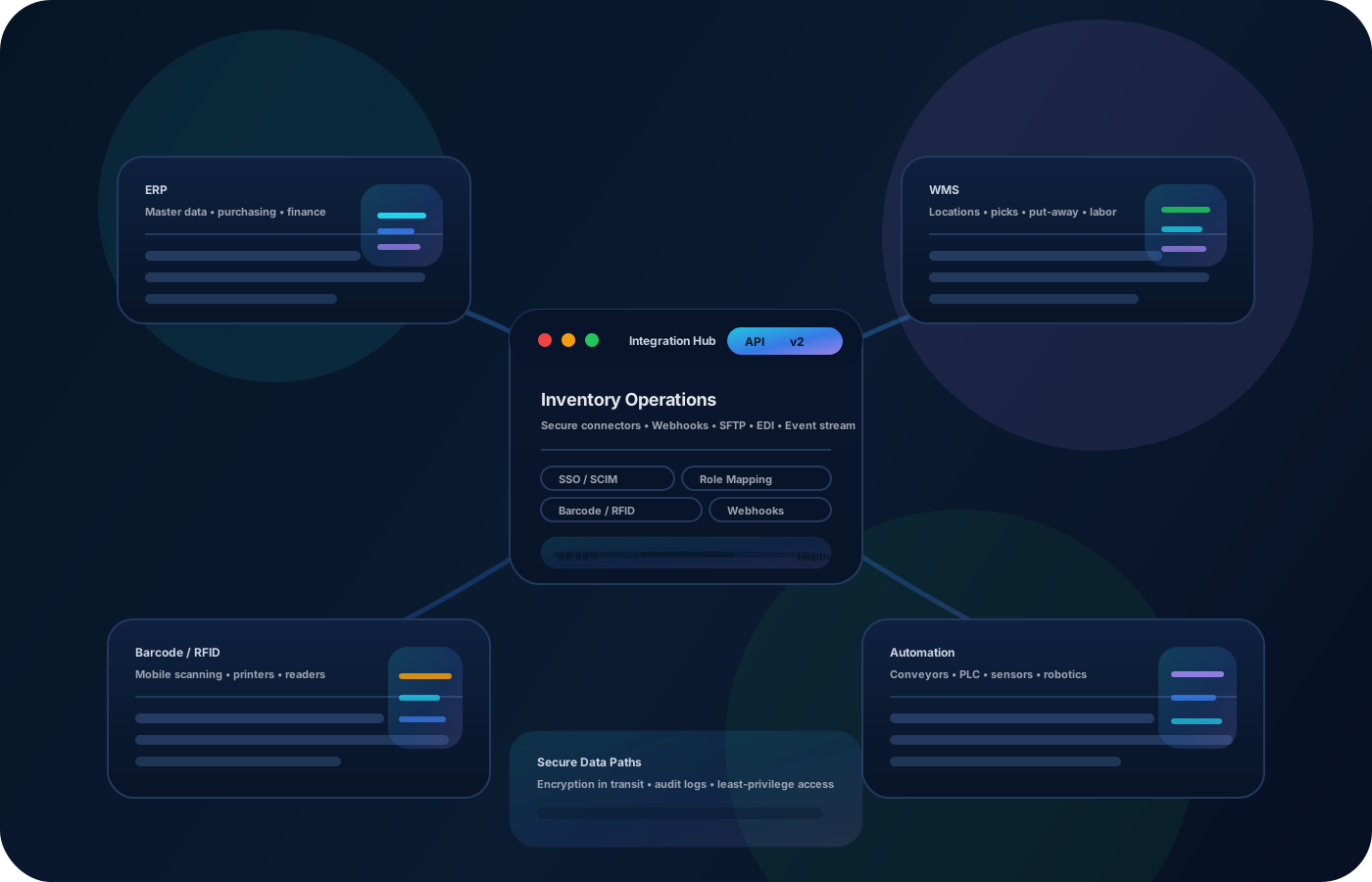
Les consommables disparaissent souvent—jusqu’à la rupture. Les opérations d’inventaire rendent l’usage visible, structurent le réapprovisionnement et standardisent transferts et comptages entre sites pour éviter la surconsommation et les achats “au cas où”.
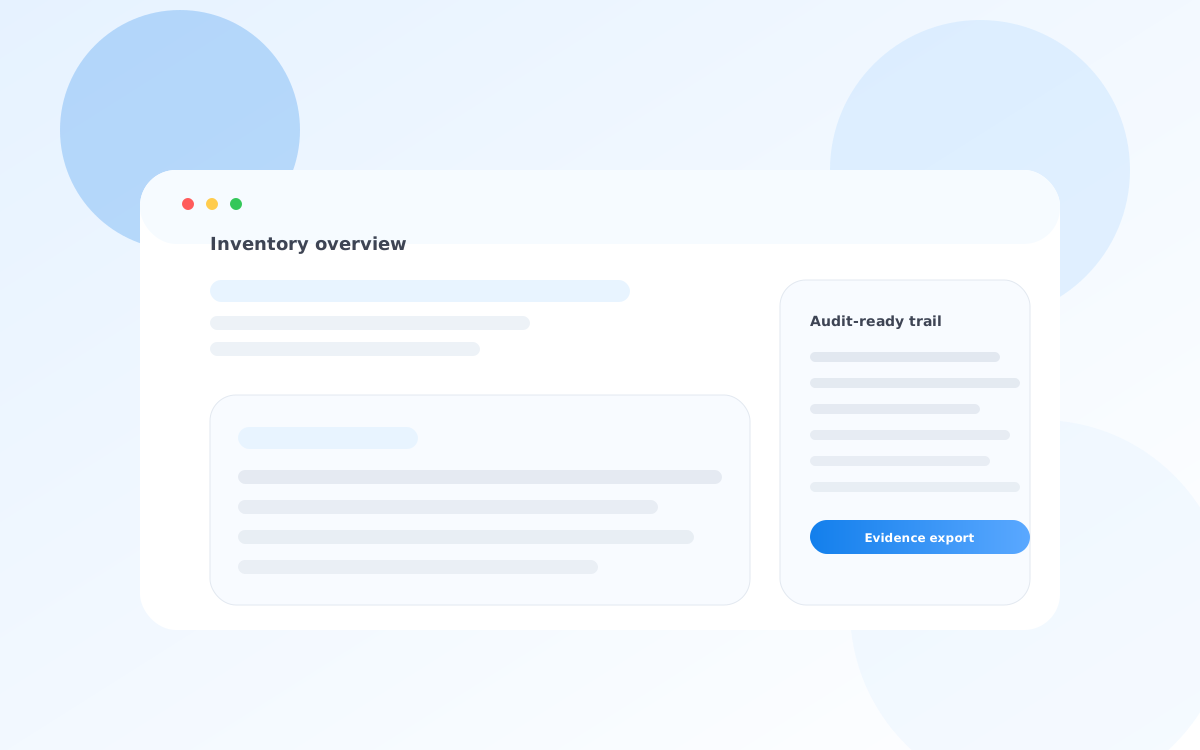
La plupart commencent ici. IO réduit la dérive, améliore la précision et maintient une piste fiable.
Consumables disappear quietly until a drawer is empty at the worst moment. Visibility and simple reorder signals keep teams ahead of shortages.
When many teams pull from the same stock, accountability fades. Track who moved what, and where it went, to reduce loss.
If each site has its own process, purchasing becomes reactive. Standardize min/max levels and replenishment routines.
IO relie emplacements, historique des mouvements et contrôles—pour aller plus vite sans perdre la traçabilité.
• Supplies by storage location (cabinets, carts, rooms, sites) • Usage events (issue, consumption, transfers between teams) • Replenishment levels (min/max, reorder points) • Exceptions (damaged, expired, missing) • Exports for purchasing and budget review
Model where supplies live so teams can find them and counts stay consistent.
Capture basic usage and transfers to keep stock levels honest and shrink visible.
Use repeatable replenishment routines (weekly checks, min/max) instead of reactive ordering.
Export usage and variance trends to tune par levels and reduce waste over time.
Décrivez votre processus actuel. Nous recommanderons la bonne configuration et le déploiement.
Set permissions for who can adjust counts or write off stock. Keep a clear history so teams can explain variance, losses, and replenishment decisions.
Export reorder lists and usage summaries for purchasing, or connect to procurement workflows so replenishment is predictable and auditable.
No—IO works for everything from one cabinet to multi-site supply operations.
Track usage and set replenishment levels. Visibility replaces guesswork and panic ordering.
You can record exceptions like damaged/expired stock and include notes for reporting and review.
Yes—transfers record source and destination so stock stays accurate as it moves.
Start with top 50 items + key locations, then expand as the process becomes routine.