
Backroom visibility gaps
Inventory exists but teams can’t find it quickly. Location structure and clean movement history make stock searchable.
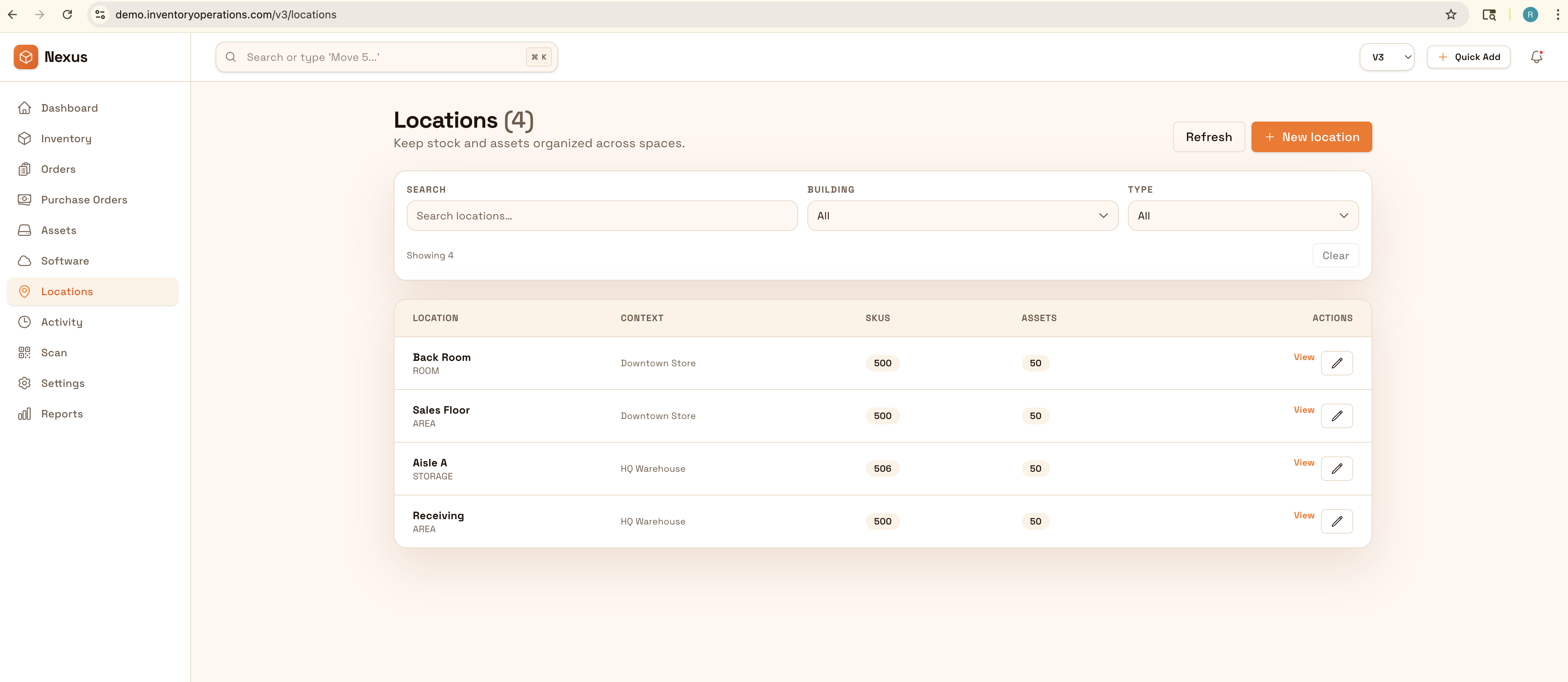
Reduce variance and keep stock accurate across backrooms, stores, and warehouses. Standardize transfers and counts so availability stays trustworthy and teams avoid oversells and stockouts.
Keep stock accurate across backrooms, stores, and warehouses: standardize transfers and counts so availability stays trustworthy and teams avoid stockouts and oversells.


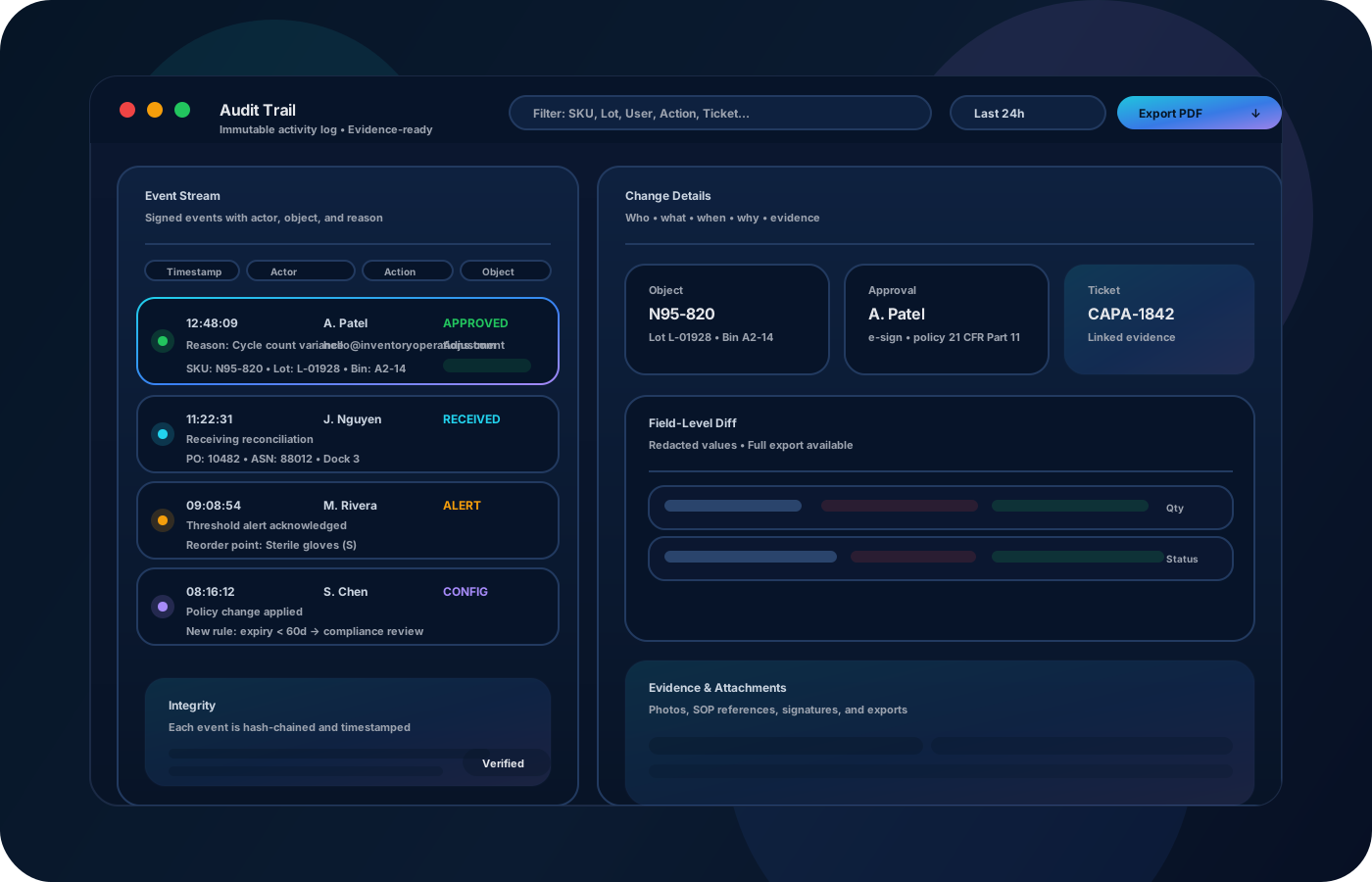
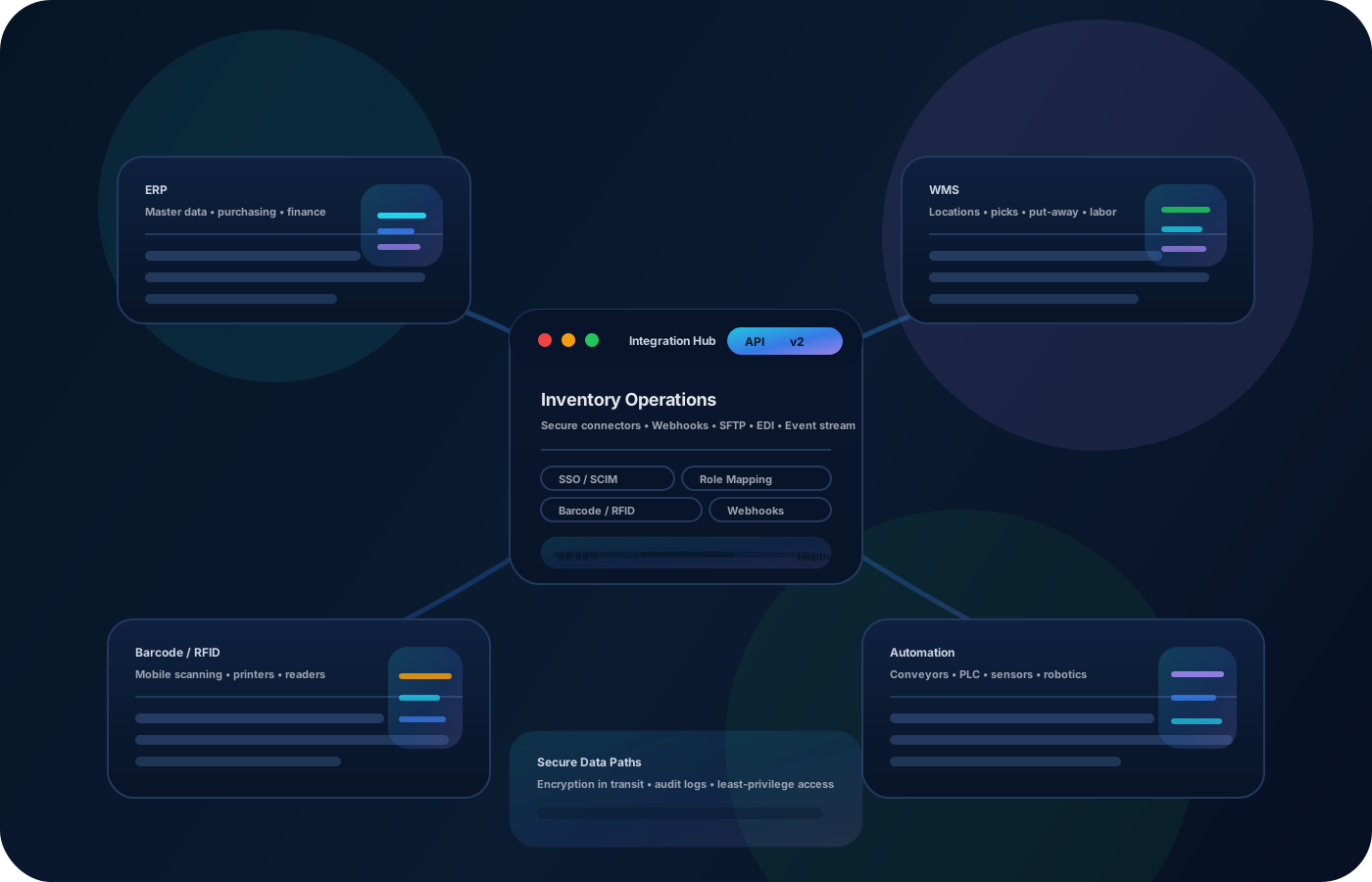
Retail and ecommerce live or die by stock accuracy. Inventory operations reduce variance across backrooms and locations—so teams avoid stockouts, prevent oversells, and keep fulfillment running smoothly.
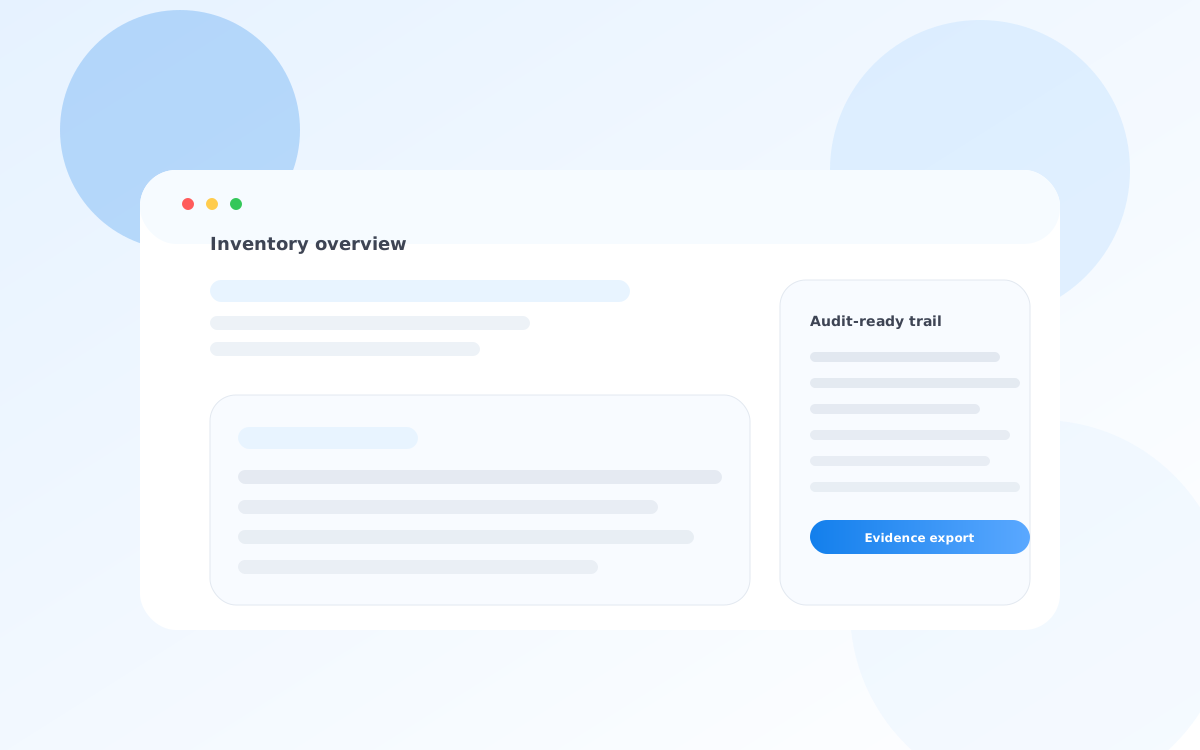
Most teams start here. IO helps you reduce drift, keep accuracy high, and maintain a trail you can trust.
Inventory exists but teams can’t find it quickly. Location structure and clean movement history make stock searchable.
Transfers without traceability create drift. Standardize transfers with destinations to keep availability accurate.
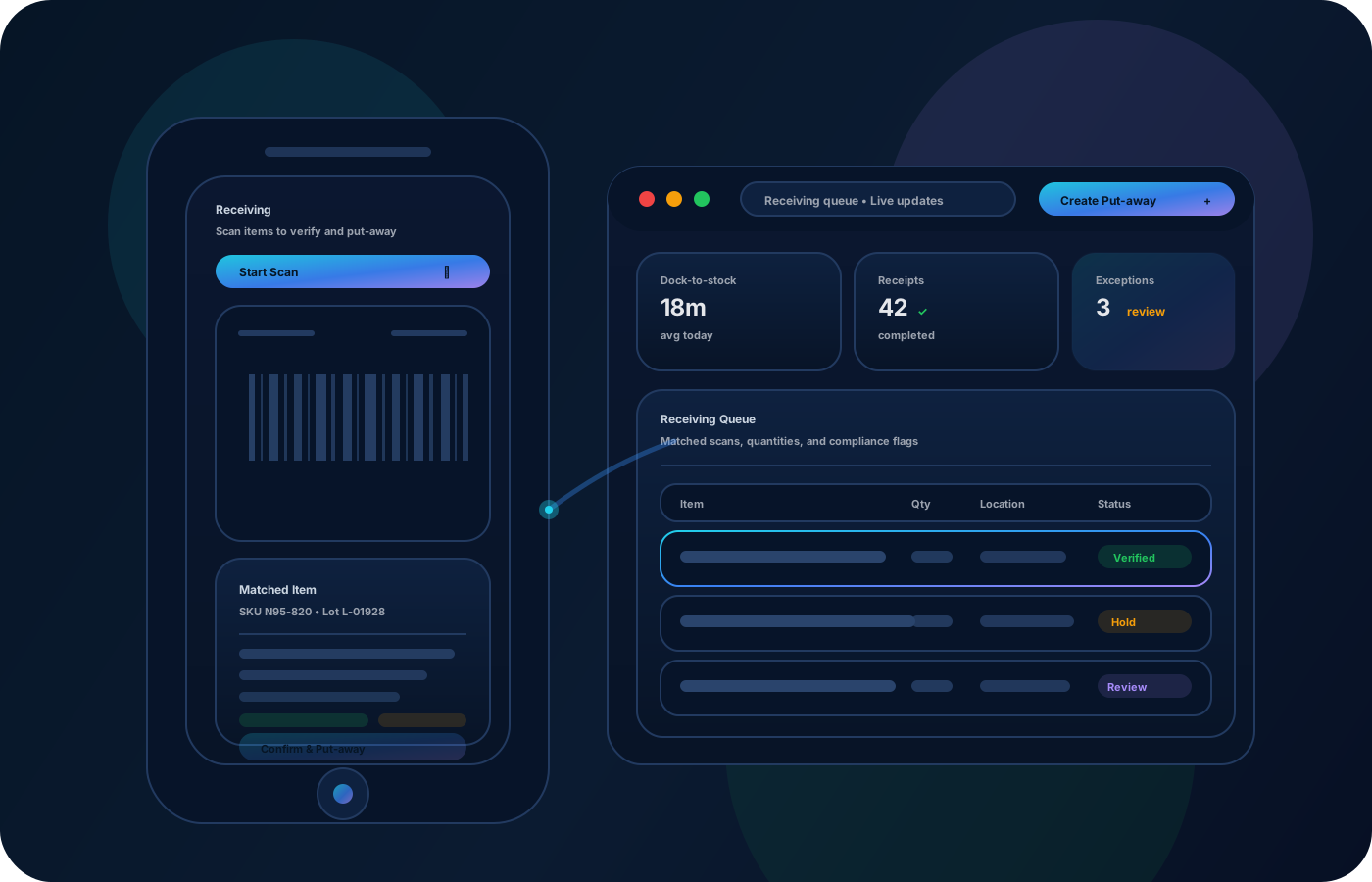
Availability errors become customer issues. Cycle counts and controlled adjustments reduce the root causes.
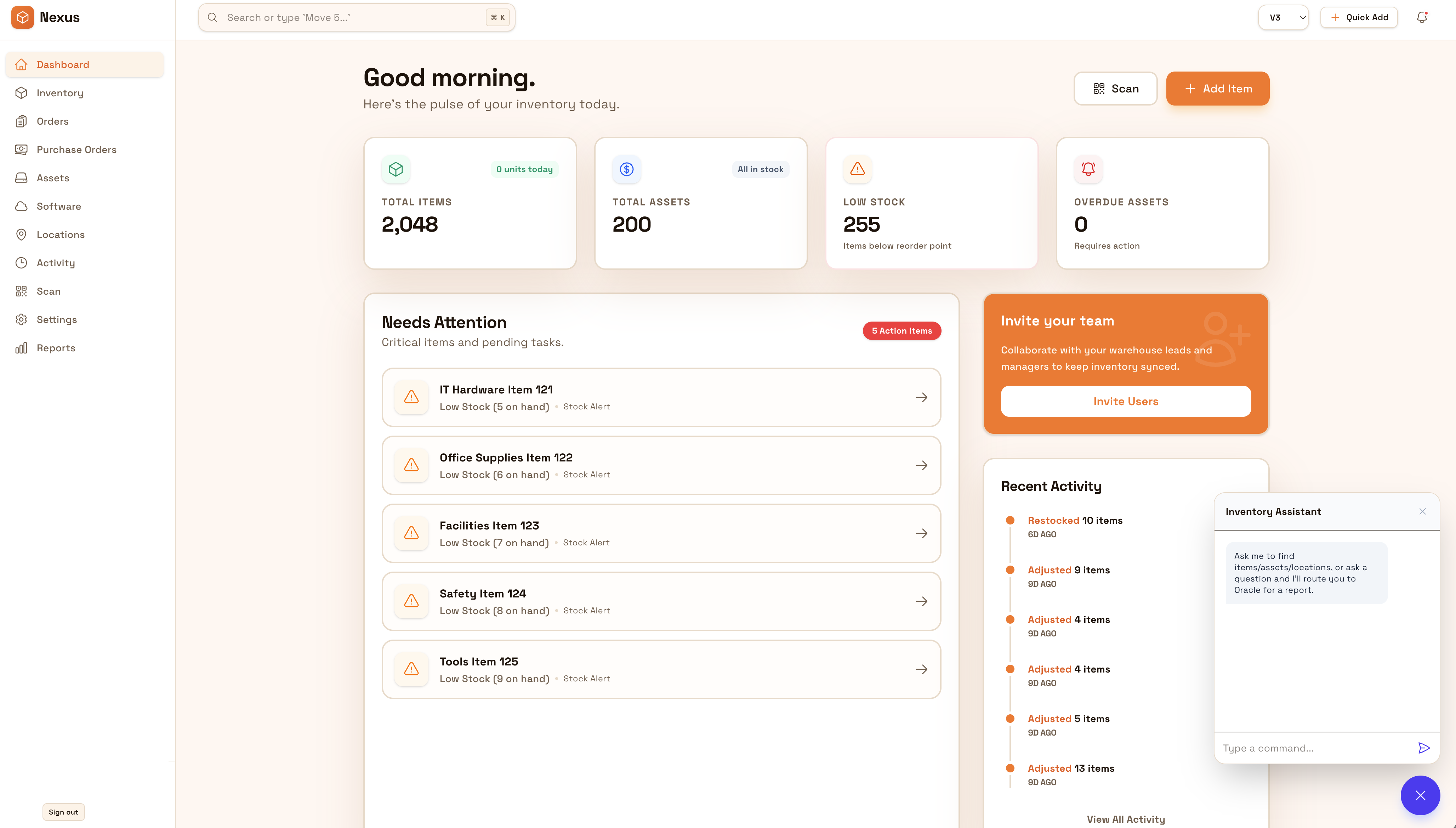
IO standardizes tracking, controls, and evidence—so teams can operate confidently across sites and stakeholders.
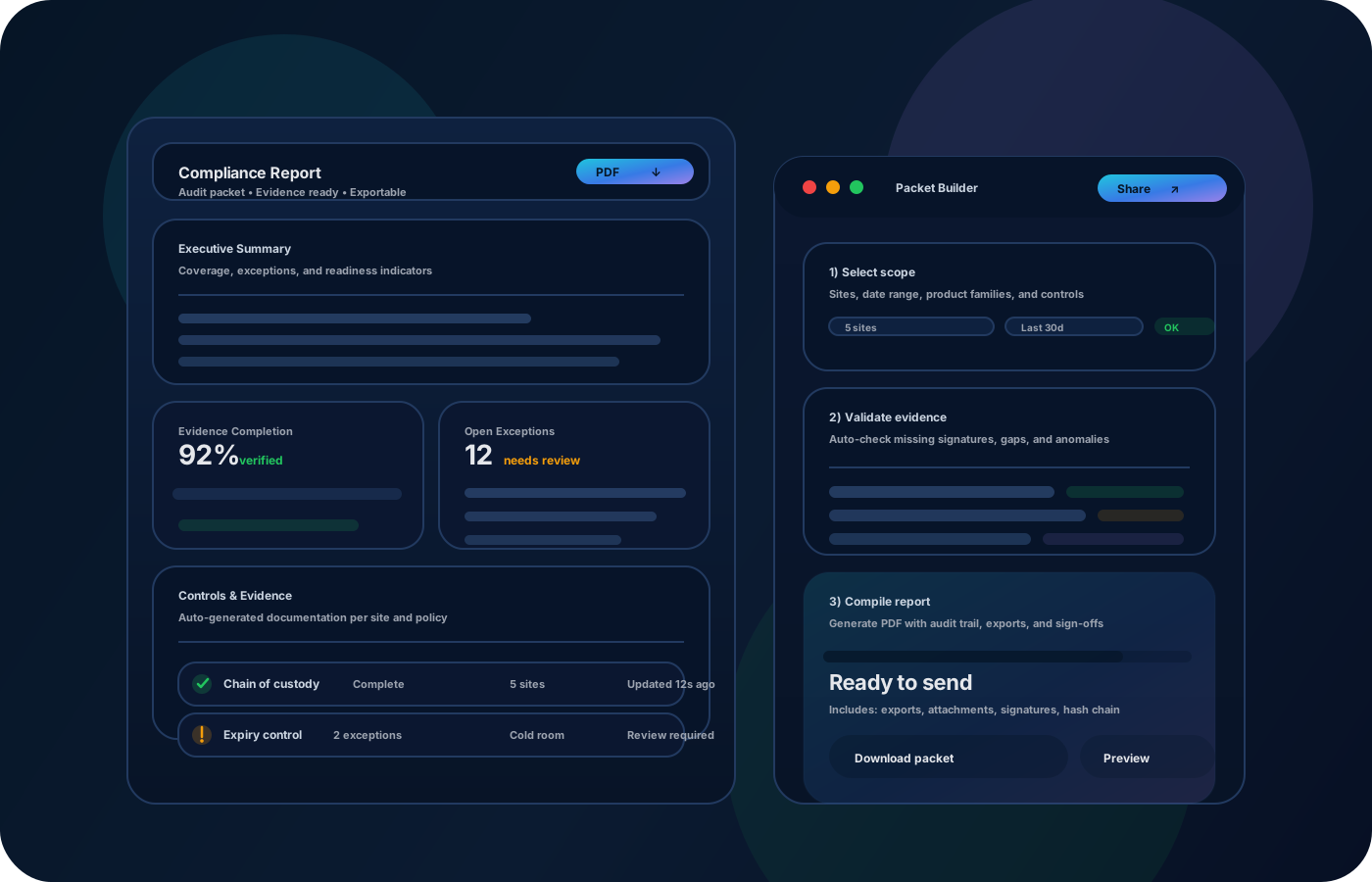
• Stock by store, backroom, and warehouse locations • Transfers between locations with traceable history • Cycle counts and reconciliation outcomes • Adjustments with reasons and approvals • Exportable availability and variance summaries
Start with accurate receiving and put-away so stock is findable.
Record store ↔ warehouse transfers with destinations so counts stay aligned.
Count frequently where movement is highest to prevent drift.
Document adjustments and export variance reports for operational review.
Tell us your compliance and operational requirements. We’ll recommend the right rollout.
Control adjustments and preserve movement history so discrepancies can be explained and prevented over time.
The biggest wins are usually accuracy, speed, and defensible accountability.
Yes—model each store and backroom area as locations and standardize transfers.
Yes—better location accuracy plus cycle counts reduces availability errors.
Keeping availability trustworthy across locations reduces oversells and cancellations.
Yes—exports support reviews, planning, and reconciliation.
Start with core locations and high-velocity SKUs, then expand and refine.