
Inventory management for small businesses
Small teams don’t have time for broken spreadsheets, mystery adjustments, and “where did it go?” conversations. IO standardizes the core workflows so your numbers stay trusted.
Start simple (locations + receiving), then add transfers and cycle counts. You get accuracy without extra admin work—and exports when you need them.

Stop stockouts and stop overbuying—replace guesswork with repeatable replenishment.
Keep locations accurate with traceable transfers and controlled adjustments.
Export clean lists for purchasing, audits, and monthly reviews—without manual reconciliation.
A small-team workflow that stays accurate
These are the core operations that replace spreadsheets: receiving, transfers, cycle counts, and controlled adjustments.
Set up locations once
Model your shop, warehouse, vehicles, or backroom so every item has a “home” and moves have destinations.
Receive with context
Capture what arrived, where it was stored, and what exceptions happened so the rest of the lifecycle stays clean.
Transfer with destinations
Treat transfers as source → destination events to keep every location accurate across sites and teams.
Cycle count and reconcile
Count high-velocity areas more often, document variance, and keep a trail for monthly reviews.
What small businesses track
Keep it practical: locations, movements, counts, and the “why” behind changes.
- Items and SKUs by location and owner
- Receiving details (what, where, exceptions)
- Transfers and moves with destinations
- Cycle counts and reconciliation outcomes
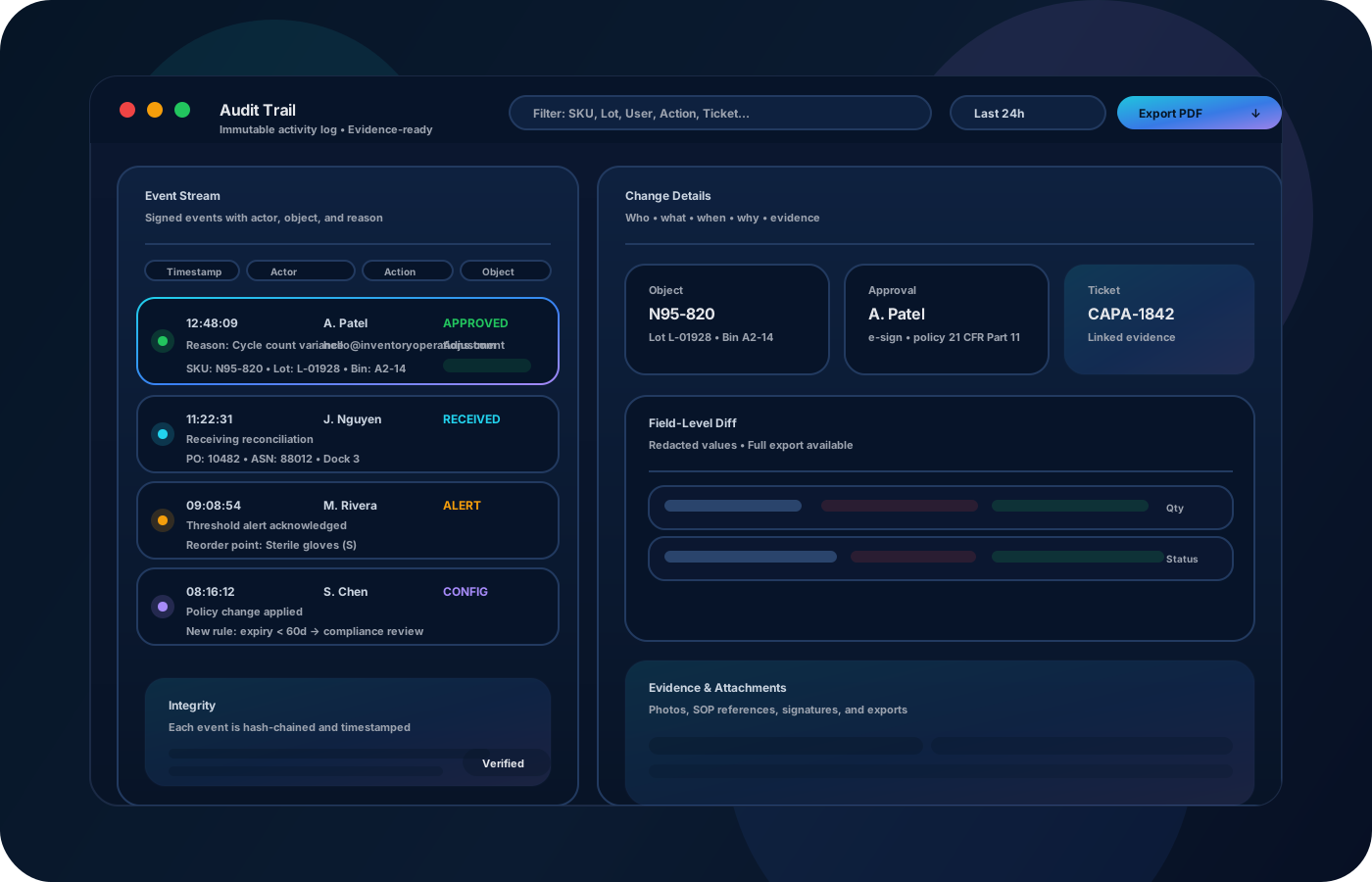
- Adjustments with reason codes and approvals
- Exportable reports for purchasing and reviews
Screens your team uses daily
Inventory, locations, assets, and audit-ready history—built for speed and clarity.


Outcomes you can expect
No hype—just the typical improvements small teams see when the process becomes consistent.
Fewer stockouts and less “panic ordering”
Less time searching, more time operating
Cleaner counts and faster reconciliations
Higher confidence in availability and reporting
A practical SOP to start with
Use this cycle count SOP to build a cadence that keeps accuracy high without shutdown counts.
Cycle count SOP (small business)
Printable checklist + tips
FAQ for small teams
Short answers to the questions small businesses ask before switching from spreadsheets.
Do we need barcodes to start?
No. Many teams start with locations and clean receiving/transfer workflows. Scanning can be added when you’re ready.
How fast can we get value?
You usually see value as soon as receiving and transfers are consistent—because the numbers stop drifting.
Can we support multiple locations?
Yes—model sites and sub-locations, then standardize workflows so reporting stays consistent across them.
How do we avoid “mystery adjustments”?
Use required reason codes and approvals for sensitive changes so every adjustment has a defensible explanation.
Is this overkill for a small business?
It’s designed to be lightweight: start with a few locations and top items, then expand as your process matures.