
Variance compounds quickly
Small discrepancies at receiving become big issues downstream. Capture exceptions early so teams don’t fight surprises in production.
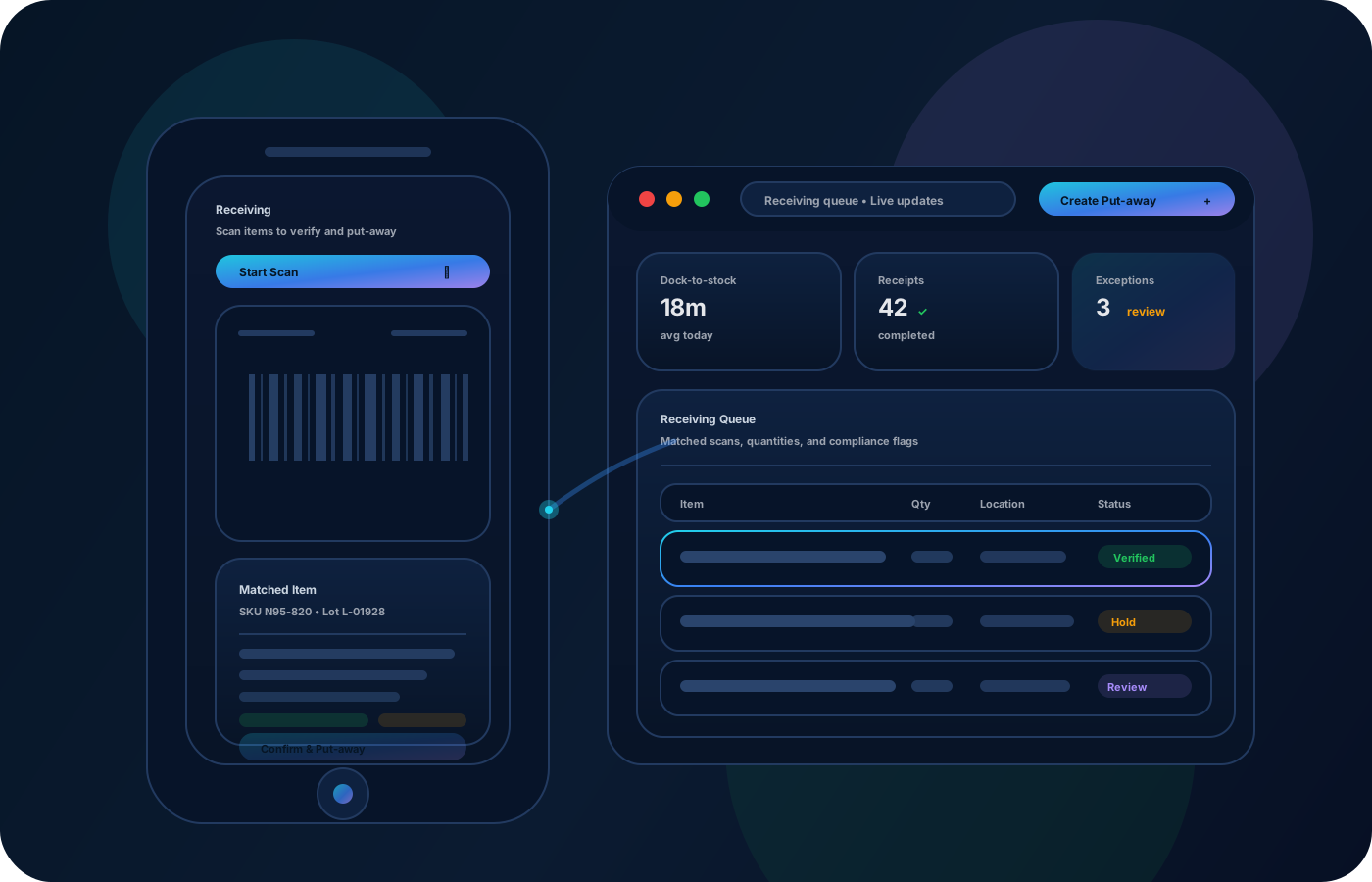
Keep materials accurate from receiving to storage to production with clear transfers and repeatable counts. Document adjustments and reconciliations so teams reduce variance, avoid surprises, and keep production moving.
Keep production flowing with accurate, traceable raw materials: standardize receiving, storage, transfers to production, and reconciliation so variance doesn’t compound.


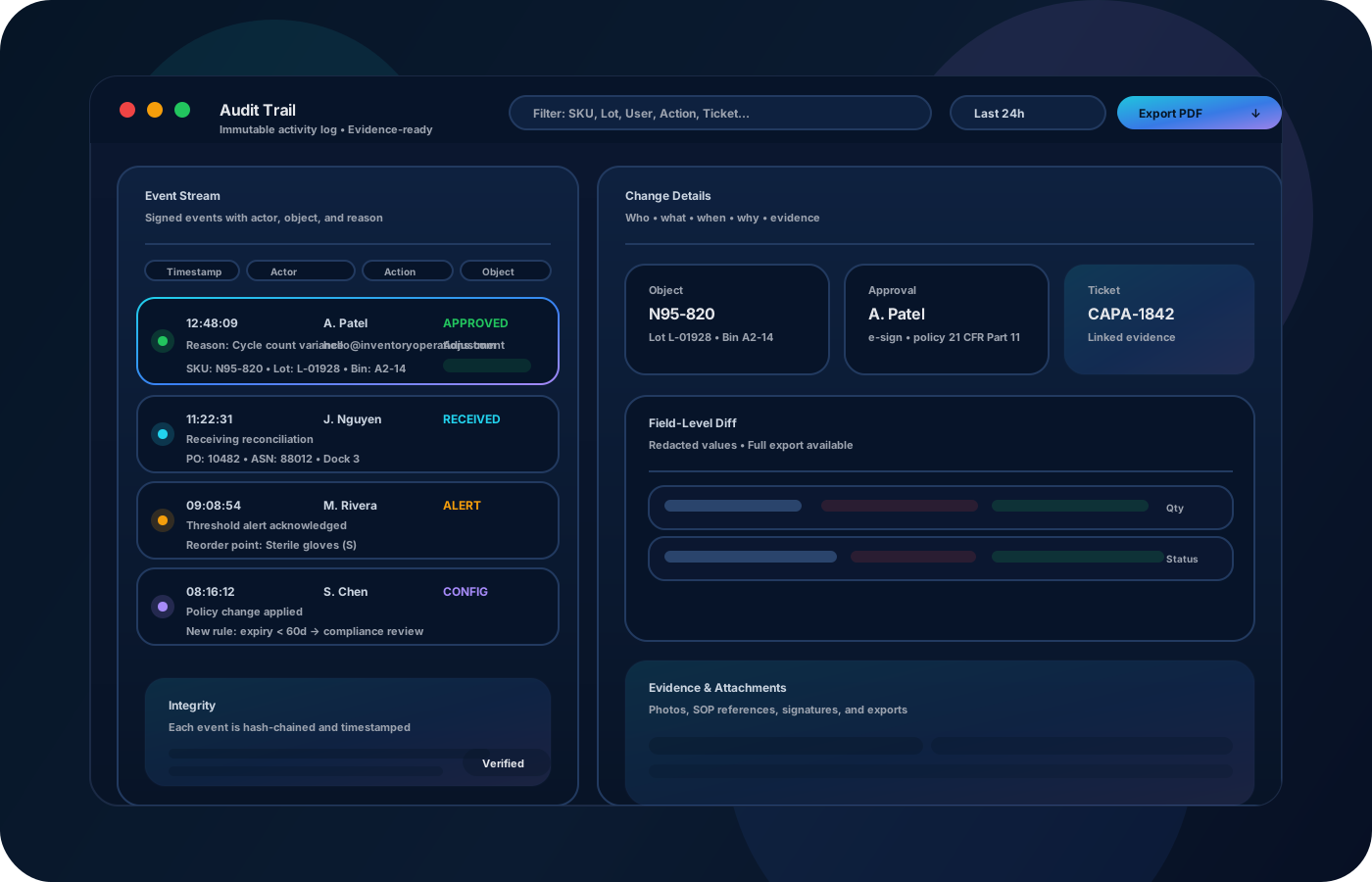
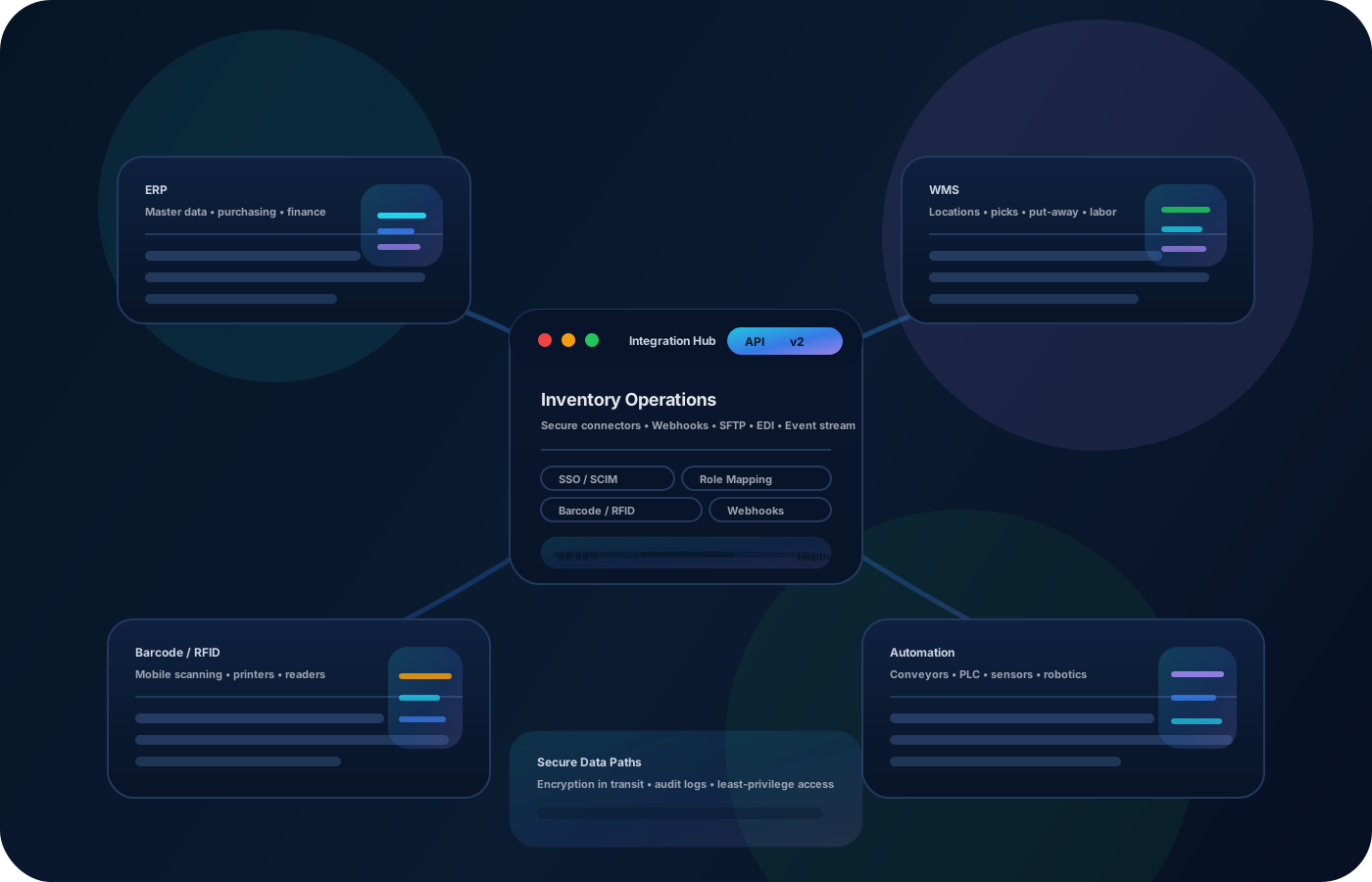
Raw materials flow through receiving, storage, and production, and small variances compound fast. Inventory operations keep each handoff traceable, document adjustments, and make counts repeatable—so teams reduce surprises, reconcile faster, and avoid line interruptions caused by missing or mislocated materials.
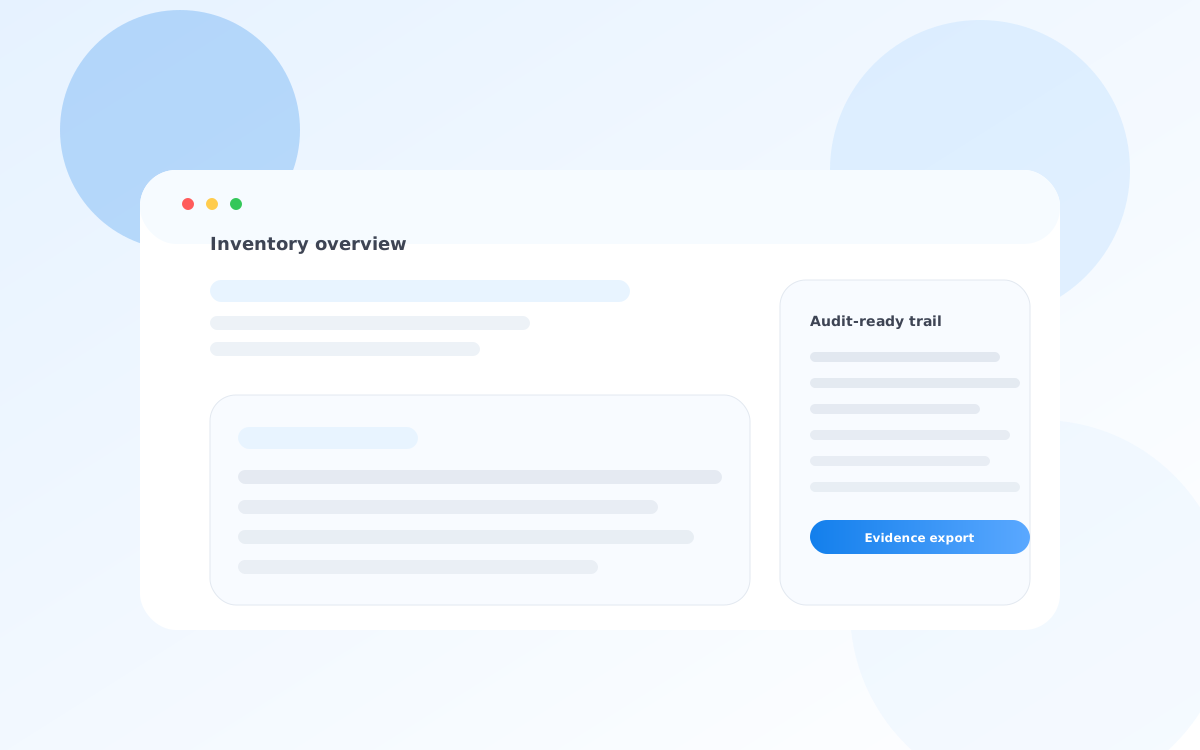
Most teams start here. IO helps you reduce drift, keep accuracy high, and maintain a trail you can trust.
Small discrepancies at receiving become big issues downstream. Capture exceptions early so teams don’t fight surprises in production.
Material moves through storage, staging, and line-side. Record each handoff so availability stays accurate and shortages are explainable.
When adjustments lack context, investigations drag on. Use reasons and consistent counting to shorten reconciliation cycles.
IO keeps locations, movement history, and controls connected—so teams can move faster without losing traceability.
• Materials by receiving, storage, staging, and line-side locations • Transfers between warehouses and production areas • Exceptions (damage, scrap, loss) with documented reasons • Cycle counts and reconciliation outcomes • Exports for planning, purchasing, and reviews
Record what arrived, where it went, and any exceptions so downstream records are trustworthy.
Move material with clear destinations (staging, line-side) to keep counts aligned.
Cycle count high-velocity areas to prevent variance from compounding.
Document adjustments and export variance trends to tune process and reduce repeat issues.
Share how you run this process today. We’ll recommend the right setup and rollout.
Require reasons and approvals for write-offs and sensitive adjustments. Preserve movement history so teams can explain shortages, scrap, and corrections during reviews.
Export material snapshots and movement summaries for planning, purchasing, and reporting. Integrate with ERP workflows to keep production and finance aligned.
Yes—model these as locations so transfers remain traceable end-to-end.
Record exceptions with reasons and approvals so the history stays defensible.
No—cycle counts keep accuracy high without disruptive full shutdown counts.
Yes—consistent movement history and reason codes shorten investigations.
Start with receiving + key storage locations, then add transfers to production and cycle counts.